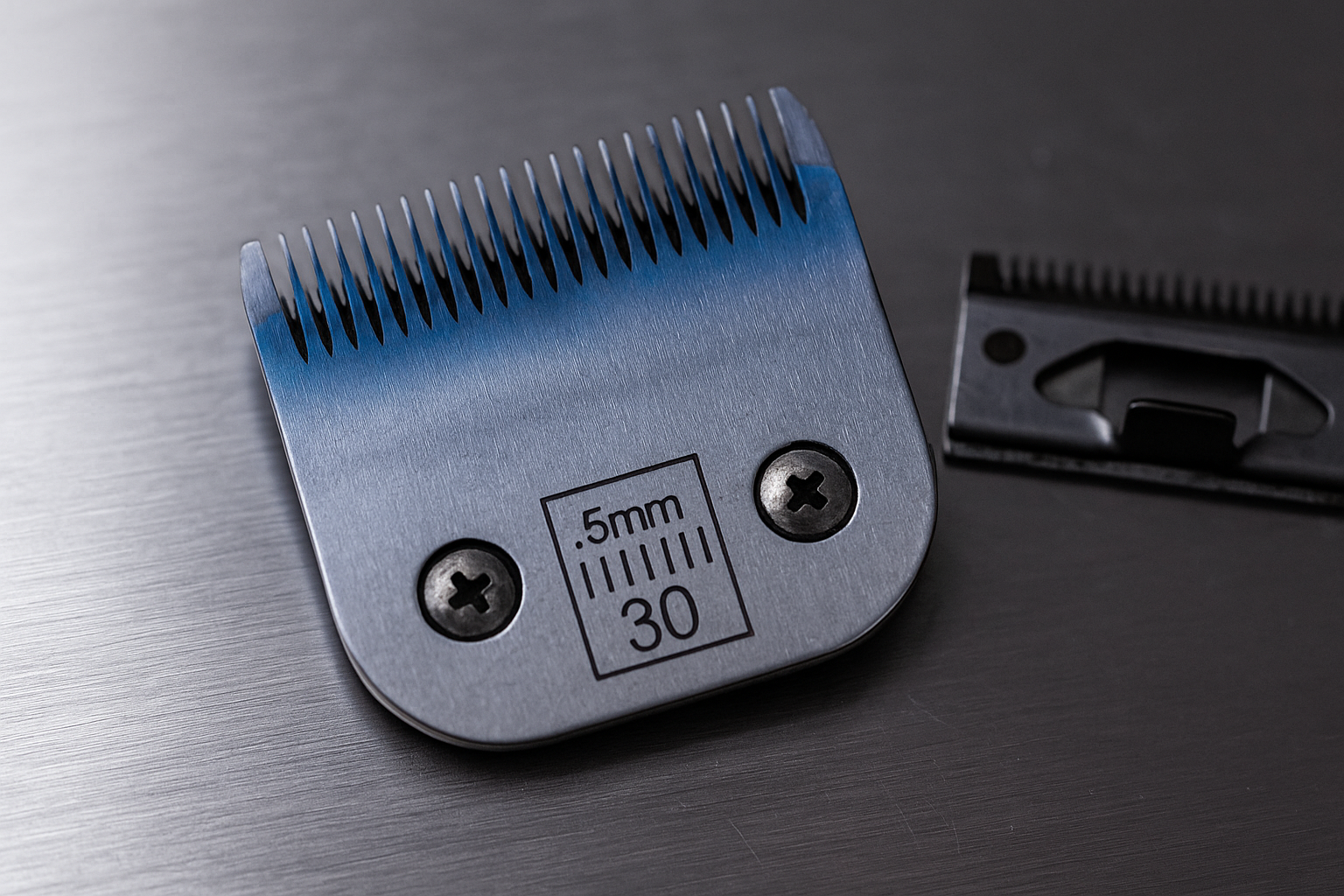
If you are new to pet grooming, the blade number system seems baffling. Why is #10 shorter than #5? What does the F mean? When do you use a #7 versus a #7F? Here is the practical answer.
The basic rule
For most clipper blades, the higher the number, the shorter the cut. Counter-intuitive, but consistent. A #10 blade leaves about 1.5mm of coat. A #4 blade leaves about 9.5mm. A #50 (the shortest practical blade) leaves about 0.2mm.
Within a number, the suffix matters: a plain #7 has wider teeth than a #7F. A "T" indicates skip tooth, an "FC" means full coat, and a "ST" is skip tooth.
Common pet grooming blades and their lengths
These are the typical Andis and Wahl A5 blade lengths in millimetres:
- #50: 0.2mm. Surgical prep. Almost down to skin. Use with extreme care.
- #40: 0.25mm. Surgical prep, paw pads, sanitary trim.
- #30: 0.5mm. Tight blending, paw pads, around eyes (with care).
- #15: 1.2mm. Faces, ears, sanitary work.
- #10: 1.5mm. The most common blade in pet grooming. Bodies, faces, sanitary, finishing.
- #9: 2mm. Body work on shorter cuts.
- #8.5: 2.8mm. Body work, spaniel cuts.
- #7F: 3.2mm (full tooth). Body work on doodles, schnauzers, body of poodle clips.
- #7: 3.2mm (skip tooth). Same length as #7F but skip-tooth design for thicker, matted coats.
- #5F: 6.3mm (full tooth). Body work on shorter "puppy cuts".
- #5: 6.3mm (skip tooth). Same length as #5F, skip-tooth for matted thick coats.
- #4F: 9.5mm. Body work, longer "kennel" cuts.
- #4: 9.5mm (skip tooth) version.
- #3 / #3F / #3 3/4: 13mm. Long body work, scruffy retainer cuts.
Skip tooth vs finish blades
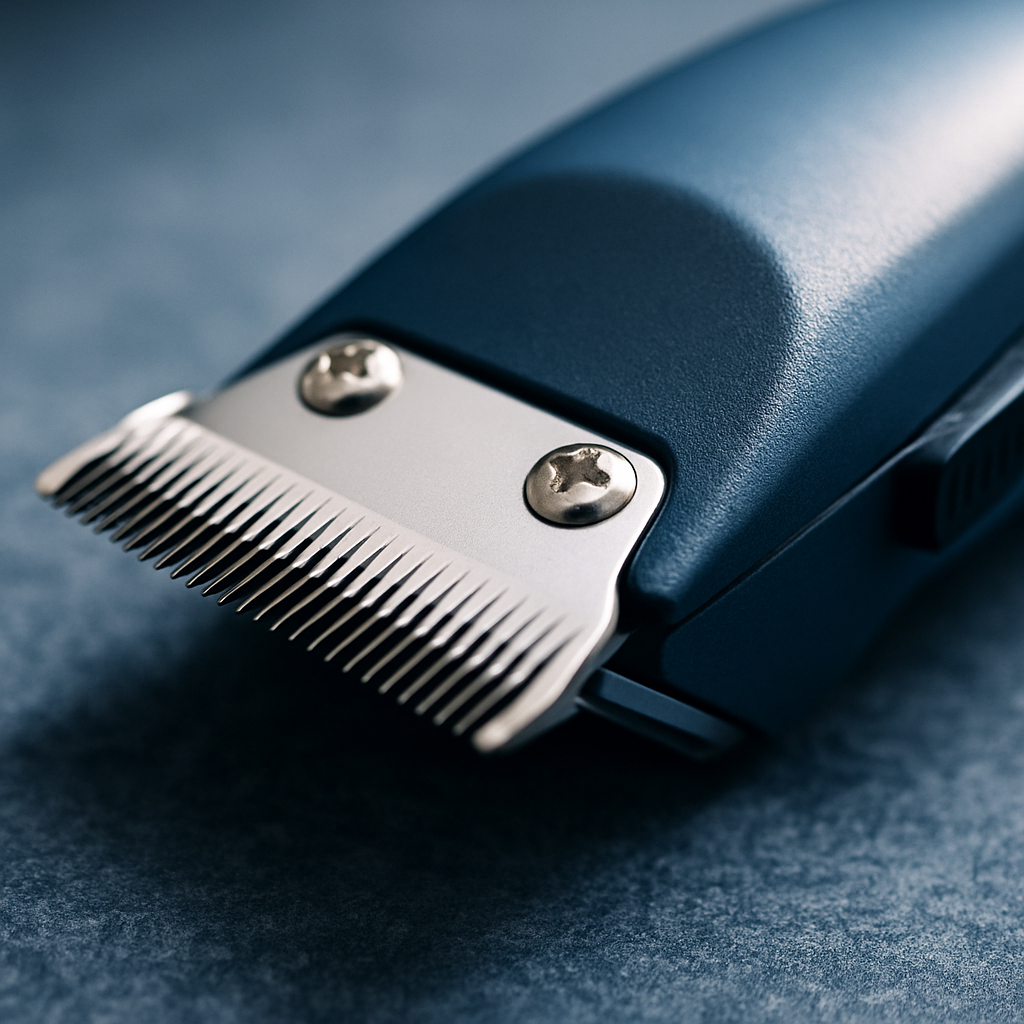
Skip tooth blades (#7, #5, #4) have alternating long and short teeth. They are designed to break through dense or matted coat that finish blades cannot handle without clogging. They leave a slightly textured finish.
Finish blades (#7F, #5F, #4F) have evenly spaced teeth and produce a smoother, more uniform finish. They cut cleaner on already-prepped coats but bog down on heavy mats.
Most working groomers use skip tooth for the rough-out pass on dirty or matted dogs and finish blades for the final clip. That is the textbook approach. In practice, busy salons often skip the rough-out pass entirely and use finish blades on bathed, brushed, dried dogs. Whichever you do, keep both blade types in rotation.
Wide blades and 5-in-1 systems
Wide blades (#30W, #10W, #7FW) are 25 percent wider than standard A5 blades. They cover more area per stroke, which is faster on big bodies (golden retrievers, German shepherds, Newfoundlands). They are not magic, just wider. Most groomers add one or two wide blades to their kit for body work on large breeds.
5-in-1 adjustable blades (Andis Pulse ZR, Wahl Bravura, Wahl Arco) replace multiple A5 blades with one adjustable blade. They cover roughly #30, #15, #10, #9, and #7F lengths. They are convenient for small grooms and travel kits but they wear faster than dedicated A5 blades and they cost more to replace. Most full-time groomers use a 5-in-1 as a backup, not their primary blade.
Breed-by-breed quick guide
This is a generalised starting point. Always discuss with the owner.
- Poodle (puppy clip): #10 face, ears, base of tail. #5F or #4F body. #15 sanitary.
- Doodle (scruffy): #10 face. #5F or #4F body if scissor finishing, #4 or #3 if leaving longer.
- Schnauzer: #10 face, ears, throat. #7F body (or hand strip for traditional).
- Cocker spaniel: #10 face, throat, base of tail. #7 or #5 body.
- Yorkie / Maltese: #10 face, ears, sanitary. #4 or #3 body.
- Bichon / Soft-coated retriever: scissor work mostly. #10 sanitary, paws, ears.
- Shih Tzu: #10 sanitary. #7F body (puppy), or hand-scissor.
How blade choice affects sharpening frequency
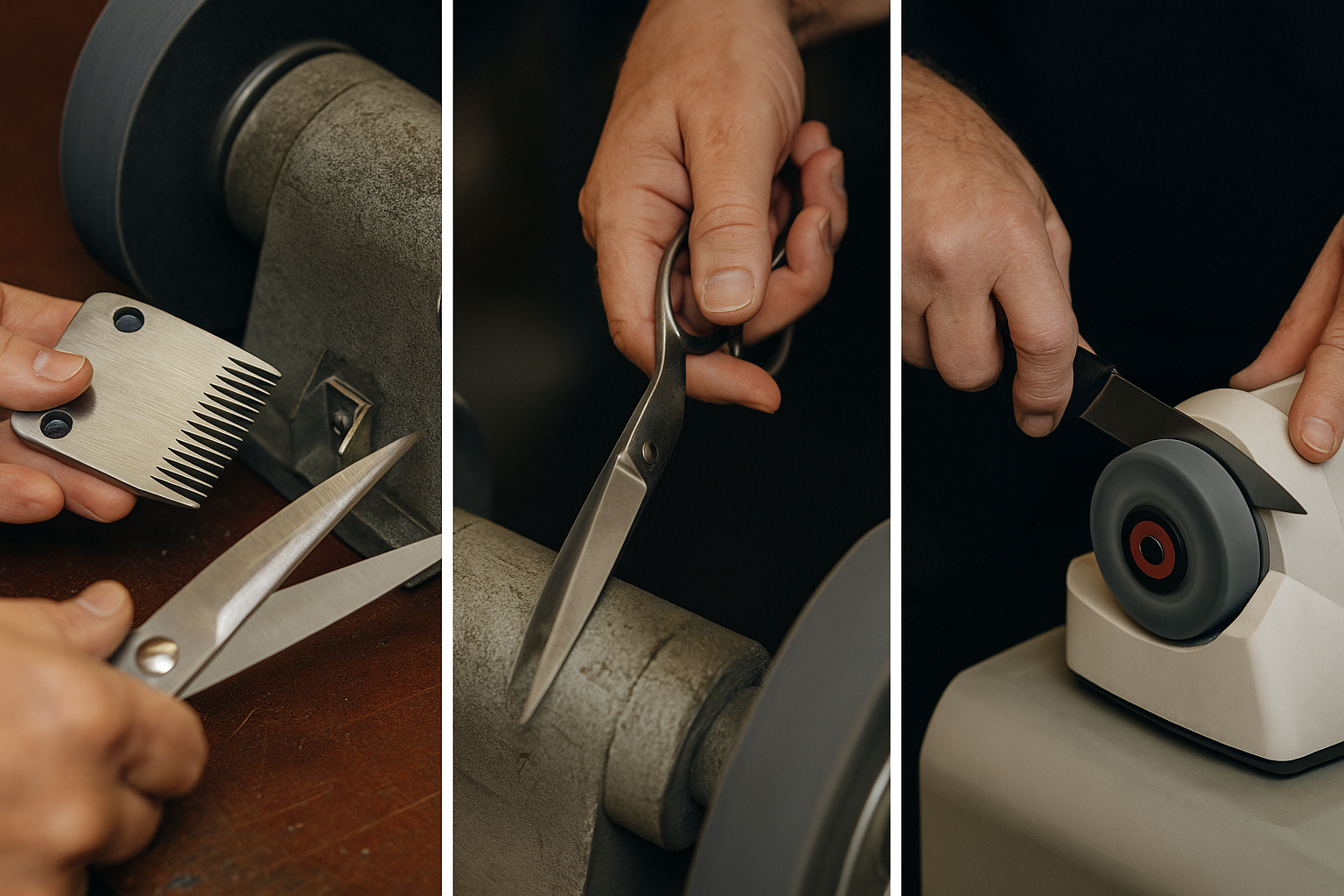
Shorter blades dull faster. A #10 blade doing all-day face and sanitary work will need sharpening sooner than a #4F doing leg work. Skip tooth blades on matted coat dull faster than finish blades on bathed coat. Heat from long passes dulls blades faster than cool, oiled work.
For most full-time pet groomers, the practical sharpening rotation is every 4 to 8 weeks per heavily used blade. See our full timing guide for the signs to watch for.
Building your blade kit
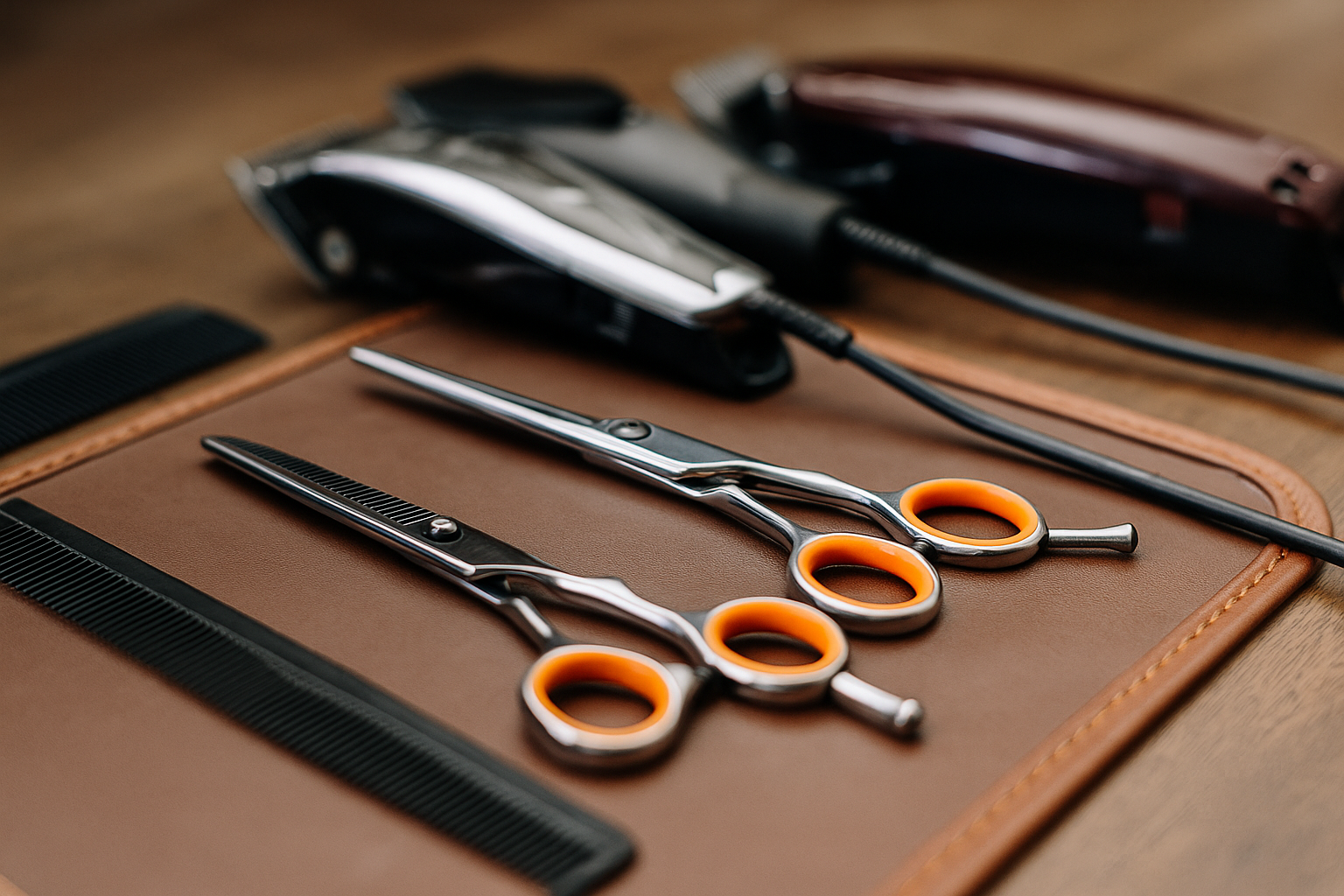
If you are starting a grooming business in Australia, here is a workable starter kit:
- 2 x #10 blades (your most-used by far)
- 1 x #15 blade
- 1 x #30 blade
- 1 x #7F blade
- 1 x #5F blade
- 1 x #4F blade
- 1 x 5-in-1 adjustable as backup
That is roughly $400 to $550 in Australia in 2026. With proper care and regular sharpening, the kit will last 3 to 5 years before any individual blade needs replacement.
Keeping your blades sharp
Once your kit is built, the difference between a good groomer and a frustrated one is blade maintenance. Brush coat off after every dog, oil before and after every grooming session, blade wash weekly, and rotate blades through professional sharpening every 4 to 8 weeks.
When your blades come due, our pet grooming blade sharpening service handles all standard A5 sizes, wide blades, and 5-in-1 adjustables across all major brands. Bulk orders of 50+ blades get an automatic 15 percent discount.
If you are not sure what blades you have or what your kit is missing, drop us a line through the contact form with a photo of your current setup. Happy to give you a straight answer.