Knife sharpening in Australia costs anywhere from $8 to $40 per knife depending on who's doing it, how they do it, and what you hand them. After 30 years on the bench — and with our own published price list — here's an honest map of the market in 2026, including where each option makes sense and where it doesn't.
Australian knife sharpening prices at a glance
- Paring and small utility knives: $8-$15 (ours: $10 + GST)
- Chef knives (20cm class): $12-$25 (ours: $15 + GST)
- Serrated bread knives: $15-$30 (ours: $20 + GST — each scallop restored individually)
- Butcher knives and cleavers: $15-$30 (ours: $20 + GST)
- Japanese knives (gyuto, santoku, nakiri): $20-$40, quoted per blade
- Single-bevel Japanese (yanagiba, deba, usuba): $25-$50, specialist work
Anything dramatically cheaper than these ranges is almost always a pull-through jig or belt grinder doing a fast, hot, generic edge. Anything dramatically dearer should come with genuine specialist credentials — usually single-bevel Japanese work.
The four ways Australians get knives sharpened
1. Market and shopping-centre sharpeners ($8-$15 per knife)
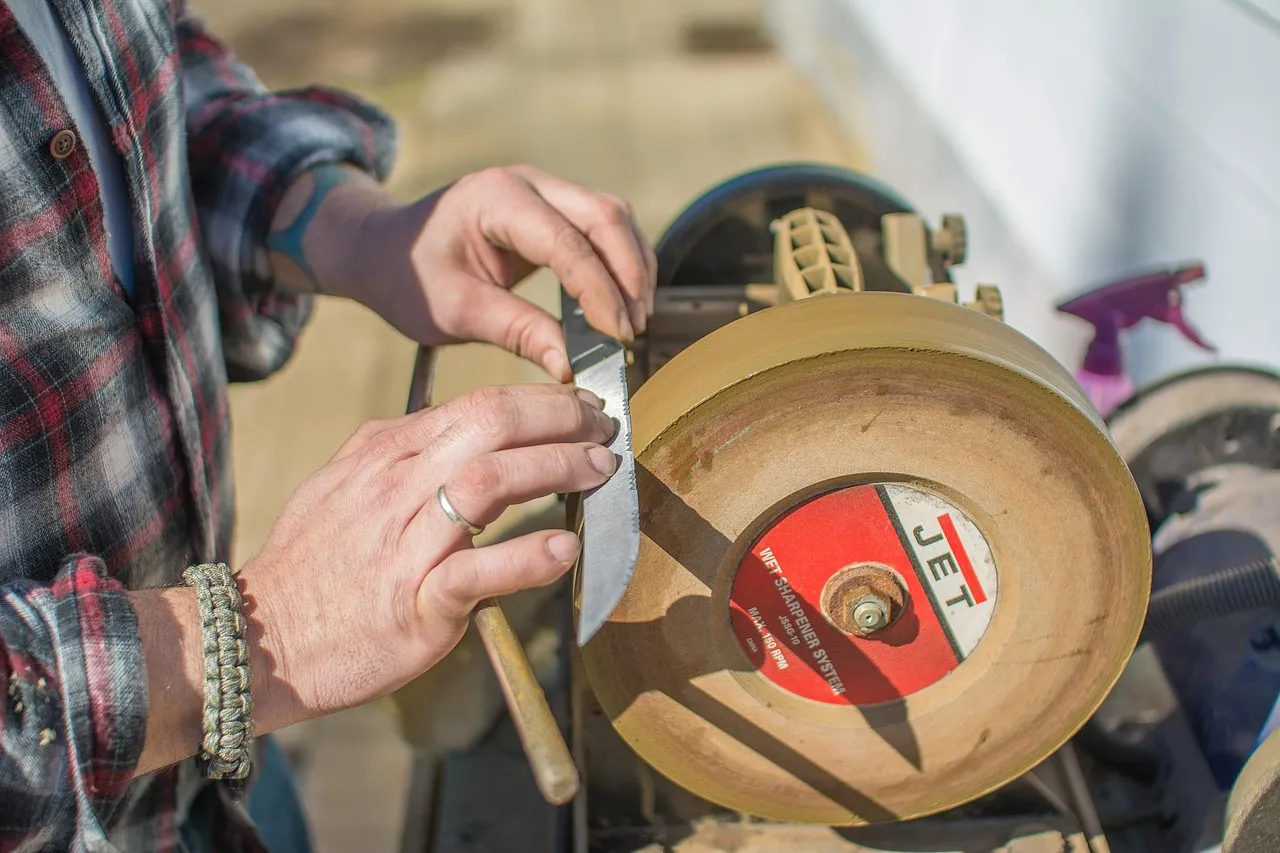
The weekend farmers-market sharpener is convenient and cheap, and for hard-worn stainless kitchen knives the results are usually fine. The trade-offs: most work on belt grinders run fast, which risks overheating the edge (you can't see the temper damage — the edge just dies faster afterwards), and the edge angle is whatever the operator does for everyone. Fine for a $30 knife. Think twice for anything you love.
2. Knife shops and butcher suppliers ($10-$25 per knife)
Retail knife shops in the capitals generally do careful work, particularly on the brands they sell. Turnaround is often a week or more because sharpening queues behind retail, and drop-off plus pick-up means two trips across town. Quality varies with whoever's on the stone that day.
3. Mobile sharpeners ($10-$25 per knife, often with call-out minimums)
Mobile vans do restaurants and home batches. Good ones are excellent; the catch is availability — they run routes, so you sharpen on their schedule, and most have minimum job values that don't suit two knives.
4. Mail-in sharpening ($10-$25 per knife, no travel)
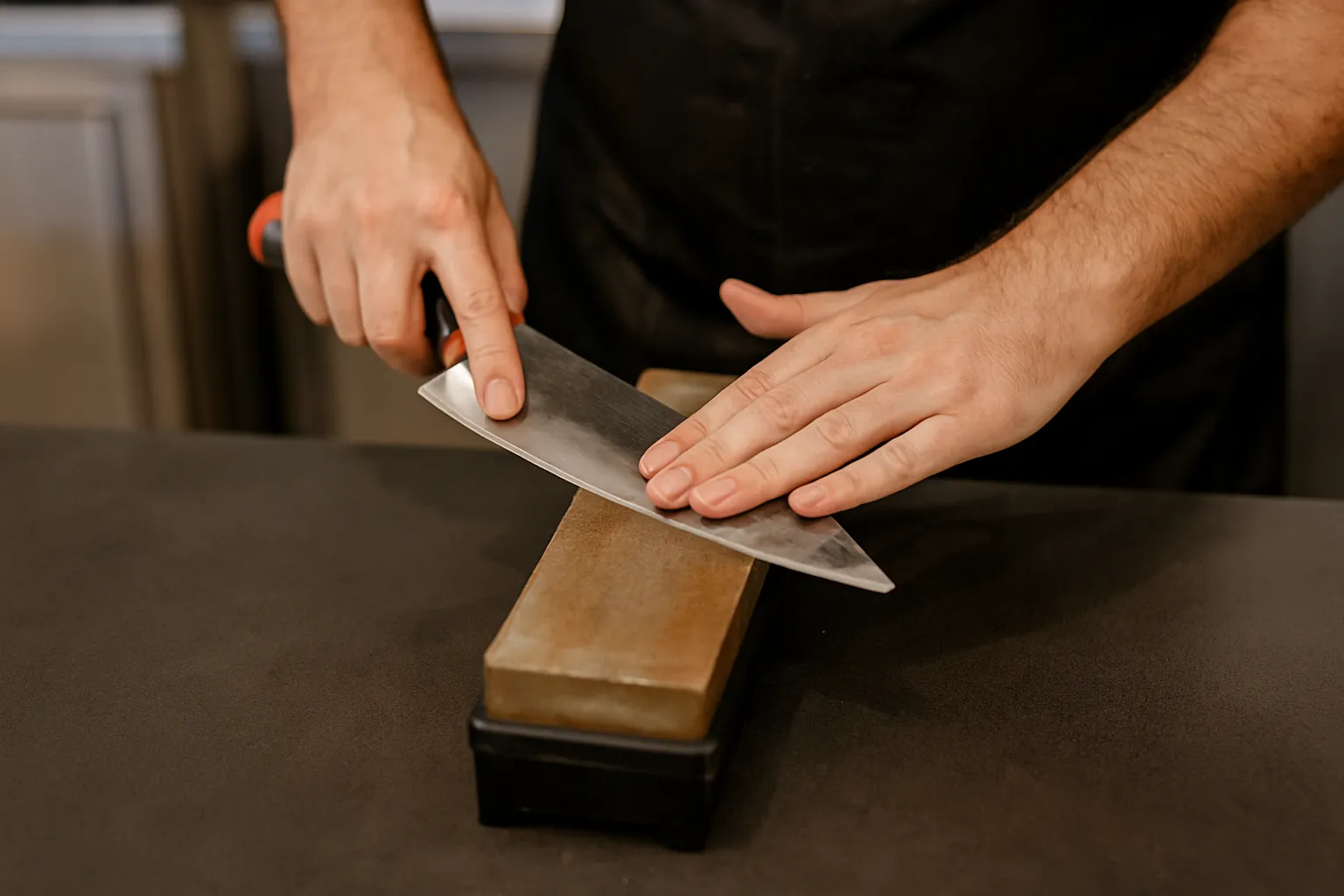
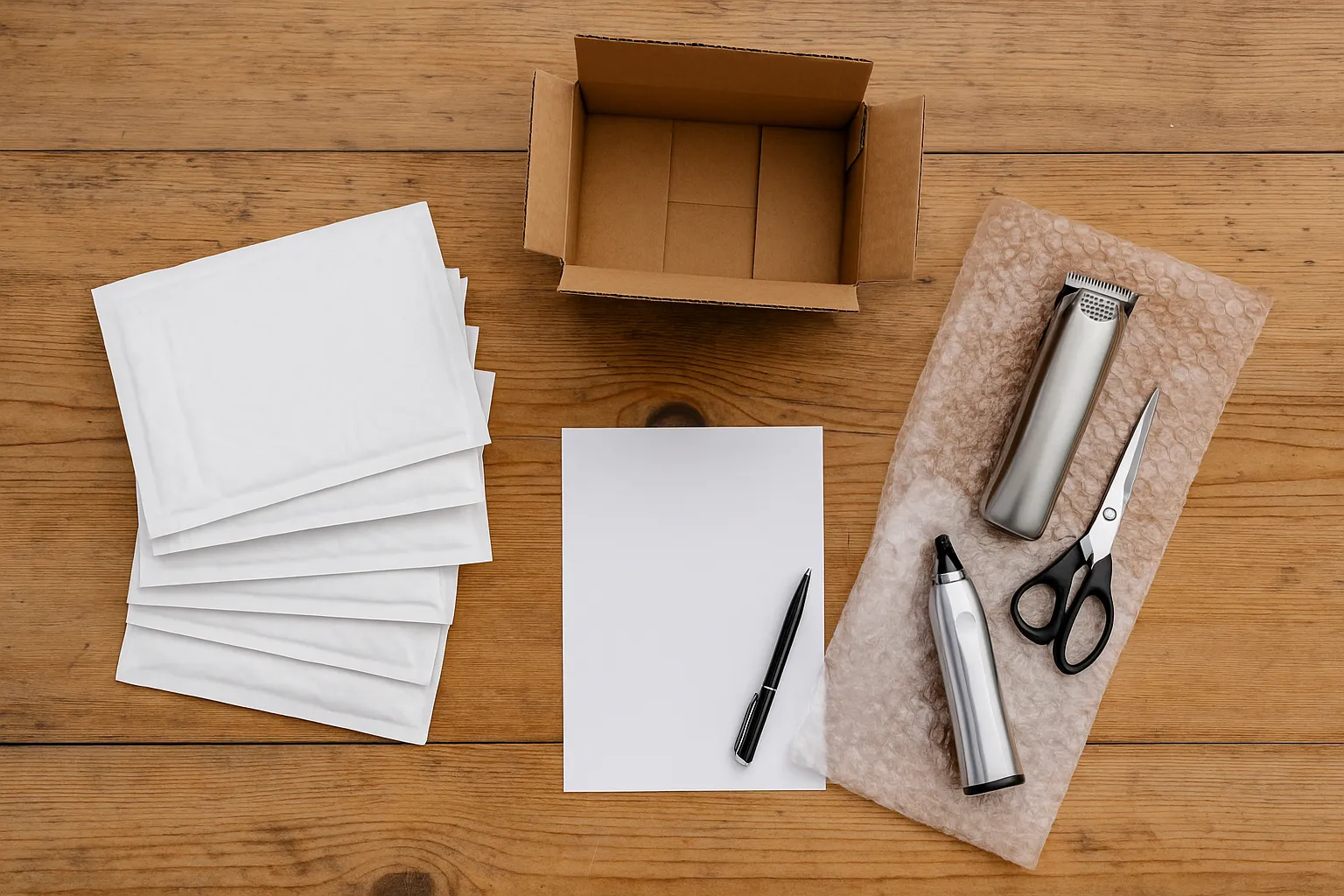
You post your knives, they're sharpened on proper equipment, and they come back tracked in 7 to 11 business days. This is what we do — every knife hand-finished on Japanese whetstones at the blade's original edge angle, from our workshop in Gunning, NSW. No trips, no queues, and the same published price whether you're in Bondi or Broome. Packing knives for post is easy — cardboard sleeve, rigid box, done.
Why serrated and Japanese knives cost more
Serrated knives can't be run along a stone like a straight edge. Each scallop is a tiny curved edge that has to be restored individually with a shaped rod, then the flat back deburred. It's slow, careful work — which is why cheap sharpeners often refuse serrated knives or just grind the serrations off (ask us to fix those and we can't; the teeth are gone).
Japanese knives run harder steel (60+ HRC) at more acute angles, and many are asymmetric or single-bevel. Sharpening them on the wrong equipment chips the edge; sharpening at the wrong angle erases what makes them special. They belong on whetstones with someone who knows the geometry. Our Japanese knife care guide covers keeping them sharp between services.
The cheapest sharpen isn't the one with the lowest price — it's the one that removes the least metal while restoring the correct edge. Knives are consumables only if you sharpen them badly.
Is professional sharpening worth it vs doing it yourself?
If you enjoy whetstone work, a decent 1000/6000 stone (about $80-$150) and some practice will keep straight-edged Western knives sharp — genuinely, that's a skill worth having. The cases for a professional:
- Damage. Chips, rolled tips, and broken points need controlled regrinding, not stone strokes.
- Serrated blades. Almost nobody DIYs these well.
- Japanese and single-bevel knives — unless you've specifically learned the geometry.
- Batches. A restaurant's dozen knives, or the whole family block once a year, is faster and cheaper per-edge to send in than to do properly by hand.
What a batch actually costs (worked example)
A typical home kitchen batch sent to us: two chef knives ($15 each), a paring knife ($10), a bread knife ($20), and a cleaver ($20) — $80 + GST = $88 total. Under $200, so return postage is charged at cost and confirmed when we call. A restaurant batch of fifteen chef knives clears $200 easily and ships back free by Express Post. Bulk orders of 50+ knives (clubs, kitchens, butcher shops) get 15% off automatically.
Prices are itemised before you order — the order form shows your total, including GST, before you post anything. No account, no upfront payment; we call to confirm every order first.
Quick answers
How much does it cost to sharpen a chef knife in Australia?
Between $12 and $25 in 2026. Our price is $15 + GST, hand-finished on Japanese whetstones at the original edge angle.
How much for a whole knife set?
A typical 5-6 knife home block runs $70-$100 professionally sharpened. Batches over $200 get free Express Post return with us.
Can bread knives be sharpened?
Yes — properly, scallop by scallop. Ours are $20 + GST. Avoid anyone who offers to "grind them smooth"; that's not sharpening, that's converting your bread knife into a bad straight knife.
How often should kitchen knives be professionally sharpened?
Home kitchens: once or twice a year, with a honing rod used weekly in between. Commercial kitchens: every 4-12 weeks depending on volume. If the knife squashes a tomato instead of biting in, it's overdue.